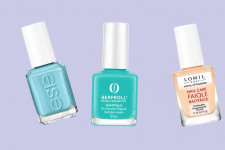
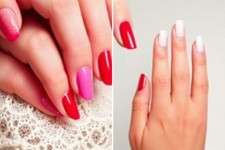
Nails tell stories. Look down at your hands and you’ll see tiny canvases people have decorated for thousands of years to signal status, belonging, beauty, and even rebellion. The history of nail polish and manicures is rich, surprising, and very human. It weaves through emperors’ courts, artisans’ shops, wartime factories, scientific laboratories, and social movements. In this article we’ll stroll through time together, from the earliest stained nails to the glossy gels and breathable formulas of today, exploring cultural meanings, technological breakthroughs, salon rituals, DIY trends, and what the future might hold. Bring a cup of tea and a comfy chair — this is a long, friendly tour of the world as seen from the fingertips.
Why nails matter: more than just color
Nails are small, but they play an outsized role in communication. Across cultures, nail length and color have signified wealth, gender roles, spirituality, and belonging. When you see a particular shade or style on someone’s nails, it can say things about personality, profession, or a moment in history. People paint, file, and style nails because it’s a tactile form of self-expression that’s immediate: a swipe of color can change the way you feel about your hands and the way others perceive you. Understanding nail history helps explain not just the beauty trends of the moment, but larger social shifts—who had leisure time, who controlled beauty production, and how technology and commerce made polish available to the masses.
Ancient beginnings: color, ritual, and status
Long before lacquer bottles and neon shades, ancient peoples used natural pigments and oils to color their nails. In many cases, nail color was tied directly to social hierarchy and religious practice. The materials were simple but meaningful: clays, henna, soot, and plant extracts.
China and Egypt: early innovation
In ancient China, as early as 3000 BCE, aristocrats used mixtures of beeswax, egg whites, and natural pigments to paint nails. The colors carried meaning: gold and silver were reserved for the imperial family, and a lacquered nail was a sign of elite status. Nail length also mattered; long nails meant a person did not do manual labor.
Meanwhile in ancient Egypt, nails were stained with henna and other plant-based dyes. Priests and nobility employed nail color as part of funerary preparations and daily adornment. Archaeologists have found tools for manicuring and evidence of pigments, suggesting attention to nail beautification was widespread among the elite.
Other early cultures
Across Mesopotamia and Central America, people used soot and clays to darken nails or apply symbols. Nail care tools—small scrapers, files, and brushes—appear in the archaeological record alongside cosmetics, indicating nails were part of broader beautification practices.
The Renaissance to the 19th century: refinement and early commercialization
Through the Middle Ages and into the Renaissance, manicuring remained mostly an intimate, domestic practice. The wealthy could afford servants to tend their appearance; others used home remedies. But the seeds of modern nail care were being planted.
Refined tools and early recipes
By the 17th and 18th centuries, Europeans had developed more refined tools for nail care—small metal files, cuticle pushers, and buffing implements. Recipes for nail polish began to appear in household manuals, often made from mixtures of oils, varnishes, and pigments. These were not mass-produced in the modern sense, but they point to an increasing interest in manipulating nail appearance.
Social meaning in a changing world
Nail length and cleanliness were associated with virtue and social class. In a world where manual labor stained hands, the clean and trimmed nail of a leisured person became fashionable. This period also saw the beginning of salons and beauty practitioners who offered grooming services to an emerging middle class.
The birth of modern nail polish: late 19th to early 20th century

The industrial revolution and advances in chemistry transformed nail cosmetics. New varnishes and lacquers were developed for industrial use—think car paint and piano lacquer—and enterprising chemists adapted these formulas for cosmetic application. This is where the story gets interesting: the marriage of chemical innovation and mass marketing.
Key milestone: nitrocellulose lacquers
Nitrocellulose lacquers, originally used in automotive and furniture finishes, were lighter and dried faster than traditional varnishes. By the early 20th century, beauty companies were creating pigmented nitrocellulose formulas suitable for nails. These early polishes were glossy and durable compared to earlier recipes, and they opened the way to what we now think of as “nail polish.”
Marketing and the rise of the beauty industry
As beauty products were marketed to a broader public, nail polish became a commercial staple. Advertisements promised cleanliness, sophistication, and modernity. In the 1920s and 1930s, painted nails became associated with glamour and cinema—movie stars helped normalize polished nails as part of a fashionable look.
Manicures in the 20th century: salons, styles, and wartime influences
The 20th century was a fast-moving era for nails. Salons became more common, techniques were standardized, and new cosmetic companies introduced fashions and innovations that spread rapidly.
The manicure salon boom
Professional manicures took off in urban centers. Techniques like shaping with emery boards, cuticle pushing, and buffing were refined and institutionalized. Manicurists developed signature services—French manicures, for instance, emerged and became a classic look. Salons also served as social spaces where people exchanged news and built community.
World War II and practical need
Wartime necessity shaped nail trends. During World War II, there were restrictions on luxury goods and a general drive toward utility. But bright red polish became a symbol of patriotism and morale for many women—red nails signaled resilience and beauty even amid scarcity. Simultaneously, factories producing paints and lacquers contributed technological know-how that improved cosmetic formulas.
The postwar boom and diversification
After the war, the beauty market exploded. Women entered the workforce in larger numbers and desired products that were durable and convenient. New colors, finishes, and application tools—like nail dryers—appeared. By the 1960s and 1970s, nail art and bold colors reflected the counterculture and fashion movements of the era.
Technical innovation: formulas, finishes, and tools
Nail polish as we know it is the result of many incremental innovations: solvents, film-formers, pigments, and additives all combined to create a smooth, glossy film on the nail. Let’s break down the main types and how they differ.
Basic components of nail polish
At its core, traditional nail polish includes a film-forming polymer, solvents, pigments, and plasticizers to prevent brittleness. Over time, manufacturers added UV stabilizers, hardeners, glitter, and special effect pigments.
| Component | Purpose | Common Examples |
|---|---|---|
| Film-former | Creates the hard, glossy layer | Nitrocellulose |
| Solvent | Keeps polish liquid for application | Ethyl acetate, butyl acetate |
| Plasticizer | Prevents cracking and increases flexibility | Dibutyl phthalate (historically), triphenyl phosphate |
| Pigments & additives | Provide color, glitter, and special effects | Iron oxides, mica, titanium dioxide |
Note: Over the years, formulations have shifted due to safety concerns and regulations, phasing out some ingredients once thought acceptable.
Gel polish, acrylics, and shellac
More recent innovations gave rise to nail enhancements that last longer and provide different aesthetics. Gel polish cures under UV or LED light to form a durable layer; acrylics are a combination of powdered polymer and liquid monomer sculpted over the nail, and shellac is a hybrid of regular polish and gels introduced as a longer-lasting polish option. Each has pros and cons regarding durability, removal method, and potential damage to the natural nail when used improperly.
Salon rituals: what happens during a manicure?
If you’ve ever sat in a salon chair, you know manicures are ritualistic and reassuring. The steps are designed to produce a clean, polished result and to pamper the client.
Typical salon manicure steps
- Sanitization and consultation about shape, length, and color
- Soaking hands to soften cuticles
- Cuticle care—pushing back and trimming excess skin
- Nail shaping with files and buffers
- Hand massage and exfoliation (optional)
- Base coat, color application, and top coat
- Curing under light for gel services
- Finishing oil and aftercare advice
A good manicure balances technique with hygiene. Proper sanitation of tools and work surfaces is essential to prevent infection. It’s also an opportunity for the manicurist to advise on nail health, addressing brittle nails, ridges, or fungal concerns.
Manicures as social and cultural markers
Nail trends reflect broader cultural shifts. Nail styles can be political, aspirational, or playful. Let’s explore some examples.
Power, profession, and gender
In different eras, nail length and color signaled class or profession. Long, ornate nails historically indicated a life of leisure. The neat, short nail became associated with working women and military personnel. Today, corporate cultures may still prefer neutral shades, while other contexts celebrate bold colors and elaborate nail art.
Identity and community
Nail art has become a tool for identity. LGBTQ+ communities, for instance, have used colors and motifs to express solidarity and pride. Subcultures, from punk to K-pop fans, adopt nail designs as part of a collective visual language.
Celebrity influence and social media
The Instagram and TikTok era transformed nails into high-visibility art. Nail technicians have become influencers, and celebrities often debut new nail trends that spread globally. Nail art tutorials, challenges, and hashtag movements create fast cycles of innovation.
Global variations: how different cultures approach nails
Although nail coloring and care share a common thread, practices differ around the world.
Asia: precision and innovation
Countries like Japan and South Korea are known for meticulous nail art, technology-driven products, and a culture that values subtlety and precision. Nail salons there often offer intricate 3D designs and seasonal collections that influence global trends.
Europe: classic elegance and salon tradition
European cultures often emphasize timeless elegance—French manicures and understated shades have deep roots. At the same time, metropolitan centers embrace avant-garde styles.
Africa and the Middle East: henna and ornamentation
In parts of Africa and the Middle East, henna remains a traditional way of decorating nails and hands, particularly during weddings and festivals. Modern nail salons coexist with these practices, blending old and new.
Health, safety, and nail care science
Beautiful nails depend on tiny biological and chemical processes. Nails are made of keratin, a protein that grows from the nail matrix. Nail health reflects nutrition, circulation, and general well-being. Certain manicuring practices and products can damage the nail if used improperly.
Common nail problems and causes
- Brittle nails: often due to dryness, harsh chemicals, or nutritional deficiencies.
- Ridges and discoloration: can result from aging, trauma, or underlying health issues.
- Fungal infections: thrive in moist, warm environments and require medical treatment.
- Allergic reactions: some people react to ingredients in polishes or adhesives.
Safe practices
Good hygiene, careful product selection, and sensible intervals between enhancements help maintain nail health. For example, alternating gel or acrylic services with periods of restorative care, using hydrating oils, and choosing nail polishes free from problematic chemicals can reduce damage.
Sustainability and ingredient concerns
As consumers become more conscious, they ask what’s in their polish and where products come from. Nail polish formulations historically included chemicals like toluene, formaldehyde, and dibutyl phthalate—compounds linked to health concerns. The industry responded with “big three-free” and “big five-free” labels, removing certain harmful ingredients.
Green alternatives and certifications
Many brands now promote vegan, cruelty-free, and non-toxic formulas. However, “natural” is not a regulated term in cosmetics in many countries, so savvy consumers look for third-party certifications or transparent ingredient lists. Recycling and proper disposal of polish bottles are also becoming part of conscientious consumption.
| Concern | Response |
|---|---|
| Harmful solvents and plasticizers | Shift to alternative ingredients; “free-from” marketing |
| Single-use salon waste | Reusable tools, sterilization protocols, and recycling programs |
| Animal testing | Vegan and cruelty-free certification programs |
DIY culture and at-home manicures
The rise of at-home beauty tools and tutorials has democratized nail care. From inexpensive kits to sophisticated LED lamps, people can get salon-like finishes at home. During global lockdowns, DIY manicures surged as salons closed and people experimented.
At-home manicure tips
- Work in a well-lit, ventilated area.
- Use a base coat to protect the nail surface and improve adhesion.
- Thin coats of polish dry more quickly and evenly than thick ones.
- Use a quick-dry top coat or drying drops to speed the process.
- Don’t pick or peel off gel or acrylics—proper removal prevents damage.
At-home nails empower creativity but also require knowledge. Improper application or removal can cause damage, so education and patience are key.
Nail art as craft and commerce
Nail art has grown into a vibrant industry with skilled technicians, shops, and workshops offering advanced techniques. There are entire businesses built around nail decals, rhinestones, stamping plates, and bespoke art. This commodification has made nail art both a luxury and a mass-market product.
Professionalization of nail technicians
Many countries require licensing or certification to perform certain nail services, and training programs teach sanitation, chemistry basics, and design techniques. Professionalization elevates the craft and ensures safer practices.
Economic impact
Nail salons represent a significant part of the beauty industry economy, employing millions globally. They provide entry-level opportunities and entrepreneurial paths, especially for migrants and women seeking flexible business models.
Trends timeline: highlights from the last century
Here’s a concise timeline of notable trends and innovations that shaped modern nail culture.
| Era | Key Trend/Innovation |
|---|---|
| 1920s–1930s | Commercial lacquers popularized; Hollywood glamifies painted nails |
| 1940s | Red polish symbol of wartime morale |
| 1970s | Bright colors and experimental textures |
| 1970s–1980s | Acrylic nails become popular in salons |
| 1990s | Neutral tones and minimalist trends |
| 2000s | Gel polishes and long-lasting systems rise |
| 2010s–2020s | Social-media-driven nail art boom; sustainability concerns increase |
The future of polish and manicure culture
What comes next in the history of nail polish and manicures? Several trends point toward an interesting future: smart nails, biodegradable formulas, and even more personalization.
Technological possibilities
Researchers are exploring responsive materials that change color with temperature, mood, or light exposure. 3D printing and micro-sculpting might enable entirely new textures and tiny accessories that integrate with nails.
Customization and personalization
As manufacturing becomes more flexible, expect on-demand custom colors and formulas tuned to an individual’s preferences or allergies. Salon experiences may become more personalized, with digital consultations and augmented reality previews before a shade is applied.
Ethical and environmental pressures
Consumers will likely continue to demand safer, greener products. Brands that combine performance with sustainability will likely lead in the years to come. Expect refill systems, recycled packaging, and cleaner chemistry to become standard rather than niche.
How to read nails like a cultural historian
If you want to appreciate nails as cultural artifacts, look at them with context. Ask who is painting them, why a particular shade is chosen, and what access to products reveals about economics and technology in a particular place and time. Nail trends are windows into fashion, but also into labor practices, migration patterns, and global commerce.
Practical questions to explore
- Who made this polish and where was it produced?
- Does the style align with celebrity influence, local tradition, or social movement?
- Are tools and products accessible to a broad population or restricted to elites?
These small questions help turn a manicure into a story about people, power, and the material world.
DIY timeline: how to build your own historical manicure at home
If you want to connect with nail history in a hands-on way, try recreating styles from different eras. It’s an educational and fun activity.
- Ancient-inspired manicure: Use henna to gently stain nails for a deep brown-red hue. Keep nails rounded and short.
- 1920s glam: Choose a classic deep red lacquer, shape the nail into an almond silhouette, and add a high-gloss top coat.
- 1970s retro: Experiment with bright oranges, turquoises, and textures; embrace chunky glitter.
- Modern minimalism: Opt for a neutral base and a single small accent line near the cuticle for a contemporary look.
These exercises teach technique and make history tactile.
Resources and guides: learning more and staying safe
If you’re intrigued and want to dive deeper, consider resources on cosmetic chemistry, licensed nail technician courses, and books about fashion history. When experimenting at home, prioritize safety: use proper ventilation, follow manufacturers’ instructions for curing and removal of gels or acrylics, and never use industrial-grade products on your nails.
Glossary: terms to know
| Term | Definition |
|---|---|
| Base coat | First layer applied to protect the natural nail and improve polish adhesion. |
| Top coat | Final layer that adds shine and protects color from chipping. |
| Gel polish | A polish cured under UV or LED light for increased durability. |
| Acrylic | Hard product formed from liquid monomer and powder polymer to extend the nail. |
| Cuticle | Skin at the base of the nail; proper care protects the nail matrix. |
Practical care tips for better nails
Here are timeless tips that bridge history and modern science: keep nails dry and clean, moisturize cuticles with oils like jojoba or almond oil, use gloves when doing harsh chores, and allow nails to breathe between heavy treatments. Trim and file correctly to avoid splitting, and eat a balanced diet with sufficient protein, iron, and biotin where needed.
Stories of iconic nails
Nail stories often intersect with personal and political moments. From Cleopatra’s stained tips to the red-coral nails of wartime movie stars, nails have been symbols of identity and resistance. Contemporary stories—like activists painting nails to raise awareness or pop stars debuting bold new nail art—remind us that a manicure can be a small but potent act of self-definition.
Conclusion
Nail polish and manicures trace a surprising path through human history—one that touches technology, art, sociology, and daily life. From ancient pigments to the modern chemistry of long-wearing gels, people have used nails to communicate who they are, what they believe, and where they fit into society. Today’s nail culture is a dynamic mix of craft, commerce, and community: salons that build relationships, technicians who hone skills like artists, and consumers who seek safer, greener, more personalized products. Whether you prefer a subtle neutral or a daring neon, your manicure connects you to a long, colorful lineage of small statements that say a lot. Treat your nails kindly, enjoy the rituals, and remember that each swipe of polish is part of a story that spans millennia.

 Loading...