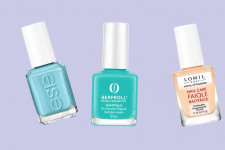
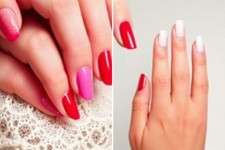
Beautiful nails can change the way you feel—like a small act of self-care with a big payoff. But the disappointment when a fresh manicure chips the next day is all too real. Whether you do your nails at home or get them done at the salon, there are proven steps you can take to stretch that glossy week or more into something that lasts. In this long, friendly guide I’ll walk you through everything from prepping your nails to choosing the right products, simple application techniques, and everyday habits that protect your manicure. Think of this as a conversation with a friend who happens to be a little obsessed with long-lasting polish.
I’ll start with the basics—what makes a manicure fail—and then move into practical, step-by-step routines and troubleshooting. I’ll include product comparisons, quick-fix tricks, and a few surprises that people often overlook. Throughout, you’ll find real-world advice that works whether you favor classic lacquer, gel, dip powder, or press-ons. Ready? Let’s dig in and keep that color chip-free for as long as possible.
Why Manicures Chip: The Root Causes
It helps to understand why manicures chip in the first place. The polish itself is not a fragile diva—damage usually comes from how the polish meets the nail and how you use your hands afterward. Here are the main reasons a manicure doesn’t last:
Poor Nail Prep
If there’s oil, lotion, dust, or dead skin on the nail, polish won’t adhere well. Many people skip thorough cleaning and think first coat will hide everything. It won’t. The result is polish that lifts at the edges or peels off.
Skipping Base Coat and Top Coat
Base coats provide a surface the polish can grip; top coats protect color and add flexible, chip-resistant shine. Skipping either reduces longevity dramatically.
Application Mistakes
Thick layers dry unevenly and are prone to chipping. Not sealing the free edge (the tip) leaves a vulnerable point where chips begin. Shaking the polish bottle introduces bubbles—tiny weak points that pop and lead to chips.
Daily Activities and Moisture
Frequent hand washing, dishwashing without gloves, gardening, and heavy typing all stress nails. Hot water and detergents soften the polish and break down protective layers.
Health and Nail Condition
Brittle, peeling, or thin nails don’t hold polish well. Underlying nail health matters: brittle nails flex and crack, taking polish with them.
Essential Tools and Products to Invest In

You don’t need a huge budget, but a few smart investments make a difference. Here are the must-haves:
- Good nail clippers and a quality file (glass/ceramic files are gentler).
- Buffer block for smoothing ridges gently—don’t over-buff.
- Cuticle pusher and nipper (used carefully).
- Non-acetone remover for quick touch-ups and acetone for full removal when necessary.
- Base coat specially formulated to adhere to either porous natural nails or artificial nails.
- High-quality top coat (fast-dry and long-wear options are both useful).
- Nail oil or cuticle oil to restore hydration daily.
- A small bottle of polish thinner; avoid shaking the bottle.
Products Worth Considering
Here’s a simple table to compare common manicure options so you can make an informed choice based on how long you want your manicure to last and how easily you want to remove it.
| Method | Typical Longevity | Pros | Cons |
|---|---|---|---|
| Regular Nail Polish | 3–7 days | Easy to apply and remove; wide color selection | Prone to chips; shorter wear time |
| Gel Polish (LED/UV cured) | 2–3 weeks | Very durable; glossy finish | Requires proper removal with acetone; needs lamp |
| Dip Powder | 2–4 weeks | Strong, long-lasting; no lamp | Heavier feel; removal can be time-consuming |
| Shellac | 2 weeks | Hybrid of polish and gel—good durability | Removal may require acetone soak |
| Press-On Nails | 7–14 days | Instant salon look; no drying time | Can lift if not applied properly; may feel artificial |
Step-by-Step At-Home Routine for a Long-Lasting Manicure
Consistency beats randomness. Follow these steps every time you paint your nails at home and you’ll see a big improvement.
1. Start with Clean Nails
Remove old polish completely. Wash your hands to rid nails of dust and oil. Use a little rubbing alcohol on a cotton pad to wipe each nail—this removes residual oils that soap might leave.
2. Shape and File
Trim to your ideal length, then file in one direction only. Back-and-forth sawing weakens the edge. Aim for a shape suited to your lifestyle: shorter, rounded nails hold up better if you’re rough on your hands.
3. Gentle Buffing
If your nails are very uneven, gently buff the surface to smooth ridges—but don’t overdo it. Over-buffing thins the nail plate and invites peeling. One or two light passes with a fine buffer is enough.
4. Cuticle Care
Soak hands briefly in warm water and gently push back cuticles with an orange stick. Avoid cutting live cuticle skin—only trim hangnails. Cuticle oil before the salon or manicure keeps skin soft and reduces the chance of polish lifting.
5. Dehydrate the Nail Surface
After cleansing, use a nail dehydrator product or run a cotton pad soaked with rubbing alcohol over each nail. This creates a dry, tack-free surface for the base coat.
6. Base Coat Application
Apply a thin, even base coat. For natural nails, use a base coat that contains adhesion-promoting ingredients. If you have yellowing stains, a whitening base coat is helpful. Always seal the free edge by running the brush along the tip.
7. Polish Application—Thin Layers, Not Thick
Load your brush with polish and wipe one side on the bottle neck so you have a controlled, thin amount. Apply in three strokes: down the center, then each side. Two thin coats beat one thick coat every time. Allow each coat to dry fully before the next.
8. Seal with Top Coat
Use a high-quality top coat and again seal the free edge. For extra durability, consider a gel top coat cured with an LED lamp if you have one. Reapply a fresh top coat every 2–3 days to refresh shine and reinforce protection.
9. Cure/Set Time
If using regular polish, give yourself ample drying time—at least 20–30 minutes for light activity and an hour for heavy use. For quick-dry top coats, read manufacturer guidance; they’re faster but not invulnerable. If you use a gel system, follow the lamp curing times exactly for each layer.
10. Hydrate Cuticles and Hands
Once polish is set, regularly apply cuticle oil and hand lotion. Hydrated nails are more flexible and less prone to breakage and lifting.
Salon Tips: How to Ensure Your Manicure Lasts at the Salon
A salon manicure can last longer than an at-home job—if the technician uses the right technique. Here’s what to watch for or ask about:
- Does the tech dehydrate and prep the nail before polish? If not, request it.
- Avoid aggressive cuticle cutting. Cutting live cuticle skin increases infection risk and often causes polish to lift at the base.
- Ask the tech to seal the free edge with both base and top coats—that little step adds a lot of wear time.
- If you want gel, make sure they’re using an LED/UV lamp of the correct wattage and curing for the recommended time.
- For dip or acrylics, ensure proper bonding protocol and that the nail is not over-filed; over-filing weakens the natural nail underneath.
What to Say If the Technician Skips Steps
It’s okay to be polite but firm. Say something like: “Could you gently push back my cuticles and dehydrate my nail bed before the base coat? That really helps polish last.” Most reputable salons appreciate customers who care about longevity.
Small Tweaks That Make a Big Difference
A few tiny changes in how you use polish and care for hands can extend wear remarkably.
Never Paint Thicker Than a Sheet of Paper
Thin layers cure evenly and flex with the nail. Thick layers crack under stress.
Seal the Free Edge Every Time
Run every base coat, color coat, and top coat along the nail tip and the polish brush over the edge—this prevents chips from starting at the very tip.
Avoid Shaking Your Polish Bottle
Shaking mixes the pigment but creates air bubbles. Roll the bottle between your palms instead. If bubbles form, add a few drops of polish thinner rather than using nail polish remover.
Keep a Quick-Fix Kit Handy
A small kit with matching polish, a fast-dry top coat, and a cotton swab can repair a chip quickly before it spreads. Fixing a small nick promptly greatly improves overall durability.
Daily Habits That Protect Your Manicure
Your day-to-day routine often determines how long polish lasts more than the brand you use.
Wear Gloves for Chores
Dishwashing, cleaning, gardening—gloves protect from water and chemical exposure that softens polish and causes lifting.
Limit Long Hot Showers and Baths Right After a Fresh Manicure
Heat and humidity can soften polish in the first 24–48 hours. Treat that time like gentle care.
Use Cuticle Oil Every Night
Apply cuticle oil after washing your hands and before bed. It nourishes the nail and the surrounding skin, preventing brittleness that leads to chips and splits.
Be Mindful of How You Use Your Nails
Treat nails like tools—avoid using them as screwdrivers or to pry things open. Even gentle but repetitive stress can crack polish.
Common Problems and How to Fix Them
Even with perfect steps, issues can appear. Here’s how to diagnose and repair them.
Bubbling Polish
Cause: Shaking the bottle, applying over a tacky or oily surface, or painting in very humid heat. Solution: Remove the affected layer and reapply using thinner coats and properly dried nails.
Peeling or Lifting at the Base
Cause: Cuticle oil or product on the nail bed, or overactive cuticle trimming. Solution: Remove polish, clean the nail bed thoroughly, and avoid cutting cuticle tissue next time.
Chipping at the Tips
Cause: Not sealing the free edge, or thick layers. Solution: File tip gently to smooth the chip, apply matching color on the tip, and seal with top coat, making sure to seal the free edge.
Yellow Staining
Cause: Dark polishes left on nails without a protective base coat. Solution: Use a whitening base coat next time; remove stains with a paste of baking soda and hydrogen peroxide for occasional treatments.
Gel vs Regular Polish vs Dip: Which Lasts Longest?
If longevity is your sole focus, gel and dip systems outperform regular lacquers. But there are trade-offs—removal, potential nail weakening, and cost.
- Gel: Excellent gloss and 2–3 week durability. Requires proper curing and careful acetone removal.
- Dip Powder: Very durable, can last 3–4 weeks, but removal is more involved and you may feel the nails are heavier.
- Regular Polish: Easier to change frequently, less damaging when removed properly, but typically chips in about one week unless guarded by careful habits.
Comparison Table: Which Should You Choose?
| Consideration | Regular Polish | Gel Polish | Dip Powder |
|---|---|---|---|
| Longevity | 3–7 days | 2–3 weeks | 2–4 weeks |
| Removal | Simple (non-acetone or acetone) | Acetone soak or professional removal | Acetone soak; sometimes filing |
| Damage Risk | Low when removed carefully | Moderate if removed improperly | Moderate–high with aggressive removal |
| Finish | Wide variety | High gloss | Matte to glossy depending on top coat |
Nail Shapes and How They Affect Durability
Nail shape isn’t just about style—some shapes are more practical for longevity.
Short Rounded or Square
These shapes are less likely to snag and chip. Rounded edges distribute force better and are ideal for active hands.
Almond or Oval
Elegant and moderately durable, these shapes maintain strength while looking longer.
Square with Sharp Corners or Stiletto
Trendy but fragile—sharp corners and long points tend to break and chip more easily. If you love these looks, be strict about length and wear protective gloves.
Travel and Vacation Tips for Long-Lasting Nails
Plan ahead so your manicure survives beaches and pools.
- If you’re getting gel or dip, schedule the mani close to travel day but allow at least 48 hours to settle before heavy activities or sun exposure.
- Pack a mini touch-up kit with the polish color and a top coat for quick fixes.
- Saltwater and chlorine can degrade polish—rinse hands after swimming and apply top coat afterward if possible.
- For long trips, a neutral or sheer color hides small chips better than a bold color.
When to See a Professional About Nail Problems
If nails are chronically brittle, splitting, or show signs of infection (redness, persistent pain, discoloration under the nail), see a dermatologist or nail professional. Sometimes underlying health issues (iron deficiency, thyroid problems) show up in the nails first. A professional can assess whether your nails need treatment beyond cosmetic care.
Eco-Friendly and Health-Conscious Choices
If you prefer non-toxic or vegan nail products, look for polishes free of the “toxic trio” (DBP, toluene, formaldehyde) and a top coat that offers durability. Many brands now offer long-wear formulas without harsh chemicals. You may need to test brands to find one that balances wear time and clean ingredients for your nails.
How to Store Nail Polish for Longevity
Store polish in a cool, dark place on a flat surface. Extreme heat or cold can thicken formulas or separate pigments. If polish gets thick, add a few drops of polish thinner rather than nail polish remover to restore flow.
Quick-Repair Guide: Fixing Common Chips in 5 Minutes
Here’s a little rescue routine you can do anywhere:
- Clean the chipped area with a bit of nail polish remover to eliminate oils.
- Lightly file any rough edge so it won’t catch.
- Apply a thin layer of the matching polish just over the chip and feather it into the surrounding area.
- Once dry, apply a top coat and seal the free edge.
- If you’re in a rush, wrap each nail with a fast-dry top coat and let hands rest in cool water for a few minutes to finish curing.
Frequently Asked Questions (Short and Useful Answers)
How often should I reapply top coat?
Every 2–3 days for regular polish; once a week for gel (if recommended by product), or whenever shine dulls.
Can I use a quick-dry spray or drops?
Yes—quick-dry sprays and drops help, but they are not a substitute for proper layers. Use them as a finishing touch.
Will nail strengtheners help my manicure last longer?
If your nails are weak or brittle, strengtheners can help by reducing splitting and flexing. Use them as a base layer on alternating weeks to build resilience.
Is acetone removal the only option for gel or dip?
It’s the most reliable method. Some salons use filing or specialized removers, but acetone soak is standard for safe, full removal when done properly.
Final Tips That Pros Keep to Themselves
1. Two-Minute Touch-Up Habit
Every night, quickly run a drop of cuticle oil around each nail and buff gently with your fingertips. It helps nails stay flexible.
2. Rotate Colors
If you switch colors frequently, your nails get constant exposure to solvents. Try to keep two-week intervals between intensive treatments to allow nails to breathe.
3. Use a Protective Barrier When Doing Wet Work
Double-dipping your gloves? Not needed, but wearing gloves and applying a thick hand cream before sliding gloves on can reduce friction and protect polish.
4. Replace Old Top Coats
Top coat formula loses effectiveness over time. If yours seems less glossy or protective, it’s time to replace it.
Checklist: Quick Pre-Manicure Prep
| Step | Done? |
| Remove old polish | |
| Wash and dry hands | |
| Push back cuticles | |
| Dehydrate nail surface (alcohol) | |
| Apply base coat and seal edges | |
| Apply two thin coats of color | |
| Apply top coat and seal edges | |
| Hydrate with cuticle oil |
When to Change Tactics: Signs You Need Different Products or a Professional
If you’re constantly fighting lifting, chips, or splitting despite following the steps above, it’s time to reassess. Maybe the polish brand just doesn’t work with your natural oil levels, or your nails need professional strengthening or treatment. A skilled nail technician can recommend products like bonding base coats, protein-enriched nail treatments, or professional gel systems that may work better for you.
How to Remove Gel or Dip Without Damaging Nails
If you decide to remove gel or dip at home, follow safe steps:
- File the shiny top coat to break the seal gently.
- Soak cotton in acetone and place over nails, then wrap with foil (or use a proper soak-off kit).
- Wait 10–15 minutes and check: polish should loosen. Do not peel—gently push off residue with an orange stick.
- Finish with a nourishing oil and a strengthening treatment for a week after removal.
If in doubt, get a professional removal to avoid over-filing and damaging the natural nail plate.
Putting It All Together: A Two-Week Plan for Long-Lasting Nails
Week 1:
- Day 0: Fresh manicure with full prep, base coat, two thin color coats, and top coat. Seal edges. Avoid heavy water exposure for 48 hours.
- Day 3: Reapply top coat to refresh shine and reinforce tip protection.
- Day 7: Light touch-up of any small chips and protect with another top coat. Continue daily cuticle oil.
Week 2:
- Day 10: Evaluate. If nails look good, continue moisturizing and reapply top coat mid-week.
- Day 14: Depending on wear, remove polish and give the nail a break, or switch to a gel/dip appointment for extended wear.
Conclusion
Keeping a manicure looking fresh for longer is not magic—it’s a combination of careful prep, smart product choices, thin and proper application, and everyday protection. Whether you’re a salon regular or a DIY enthusiast, following a consistent routine—clean nails, thin coats, sealing the free edge, regular top coat maintenance, and protecting your hands from water and harsh chemicals—will extend the life of your polish dramatically. Small habits, like using cuticle oil nightly and wearing gloves for chores, add up fast. If you still struggle, consider switching to a gel or dip system for extra durability, but be mindful of proper removal to protect your natural nails. With a little attention and the right tools, that fresh, glossy manicure can last weeks rather than days—letting you feel put together and carefree with every wave of your hand.

 Loading...