Keeping your hands and nails looking polished, healthy, and intentionally styled doesn’t require a pricey salon membership or hours of patience. With the right approach, a few good tools, and a little know-how, you can achieve a professional-looking manicure at home that feels luxurious and lasts. In this guide I’ll walk you through everything from basic nail anatomy and the must-have tools to step-by-step routines, quick touch-ups, nail-art ideas, maintenance tips, and smart product choices. Think of this as your friendly, practical roadmap to a consistent, salon-worthy manicured look you can do on your schedule.
Why a thoughtful at-home manicure matters is about more than cosmetics. Well-groomed nails signal self-care, boost confidence, and can even make you feel more put together in day-to-day life. Beyond looks, regular care helps prevent breakage, hangnails, and uneven growth. This article is written for anyone who wants a polished result without the salon price tag — whether you’re a total beginner or you’ve done nails before and want to improve durability and style. Expect practical, actionable steps and realistic advice that fits into real life: busy mornings, short notice events, and nights when you want to pamper yourself.
We’ll cover tools, prep, shaping and filing, cuticle care, polish application (regular and long-lasting techniques), simple nail art, hand care, and how to troubleshoot common problems like chipping, thin nails, or lifting polish. You’ll find checklists, step-by-step lists, and comparison tables to help choose products. Take what fits your routine, practice a little, and soon the “manicured” look will be your everyday standard.
Understanding Nails: A Short Primer

Before we get into the practical how-to, it helps to understand what a nail needs to look its best. Nails are made mostly of keratin, the same protein in hair and skin. Healthy nails grow from the matrix under the cuticle and push the nail plate forward. Factors like diet, hydration, injury, and how you treat your nails affect strength and appearance. If you file aggressively, pick at polish, or skip moisturizer, nails may peel, split, or become thin and brittle.
Healthy, well-maintained nails usually have a smooth surface, even color, and a firm attachment to the nail bed. A “manicured” nail isn’t necessarily long — it’s about cleanliness, uniform shape, smooth edges, and a neat polish job or natural sheen. Understanding that gives you realistic expectations: consistency beats perfection. Regular gentle care produces the best results over time.
Nail Shapes and Why They Matter
Choosing the right shape for your nails influences how polished they look and how practical they are for daily life. Shorter, rounded shapes are low-maintenance and less prone to breakage. Longer square or almond shapes look elegant but require more upkeep. Consider your job, hobbies, and dominant hand when picking a shape.
| Shape | Look | Pros | Cons |
|---|---|---|---|
| Round | Natural, understated | Low maintenance, durable | Less dramatic |
| Square | Modern, clean | Sharp look, strong edges | Edges can catch, may chip |
| Squoval | Soft square | Balanced, practical | Not as elongated |
| Oval | Feminine, elongating | Flattering on many hands | Requires more length |
| Almond | Elegant, elongated | Stylish, slimming effect | Fragile if too long |
| Stiletto | Bold, dramatic | High fashion | High maintenance, impractical |
Tools and Products You Need (and Alternatives)
You don’t need a laundry list of products to start. A few high-quality, versatile tools will carry you a long way. Below is a practical kit list plus inexpensive alternatives so you can build a set that fits your budget.
- Nail clippers (straight-edge for short nails, curved for rounded tips)
- Glass or fine-grit nail file (180–240 grit for natural nails)
- Buffer block (multi-sided for smoothing and shine)
- Cuticle pusher (wooden orange stick for beginners, metal if experienced)
- Cuticle remover (gentle gel) or cuticle oil
- Cuticle nippers (use sparingly; only for hangnails or excess skin)
- Base coat and top coat (key to durability)
- Polish remover (acetone-free for gentleness; acetone for faster removal)
- Good-quality nail polish in a few favorite colors
- Hand moisturizer and hand cream
- Quick-dry drops or spray (optional)
| Tool | Why it’s useful | Budget alternative |
|---|---|---|
| Glass file | Smooths without tearing, lasts long | Emery board (replace frequently) |
| Buffer block | Removes ridges and creates shine | Microfiber cloth with gentle buffing |
| Cuticle oil | Softens cuticles and nourishes nail plate | Coconut or olive oil |
| Base/top coat | Protects polish and extends wear | Inexpensive drugstore versions often work well |
Setting Up Your Manicure Station
Create a small, comfortable space with good lighting and a flat surface. Lay down a towel or paper towel for easy cleanup and have cotton pads, remover, and your tools in reach. Keep a glass of water and hand cream handy for breaks. Remove distractions: a focused 30–45-minute window will give you the best result. If you’re short on time, use quicker routines later outlined in the “Express Manicure” section.
Step-by-Step: The Classic At-Home Manicure
Below is a step-by-step plan designed to be thorough but doable. Expect 30–60 minutes the first few times; that time will shrink as you gain practice.
Step 1 — Remove Old Polish and Clean Nails
Start with clean nails and fingertips free from oils and residue. Use an acetone-free remover to protect the skin if nails are healthy, or acetone if you need faster removal or dealing with glitter.
- Soak a cotton pad in remover, hold on nail for a few seconds, then swipe off polish.
- Wash hands with warm water and soap to remove lingering remover and oils.
Step 2 — Soak and Soften Cuticles
Soaking softens skin, making cuticle care easier and safer.
- Fill a bowl with warm water and a few drops of gentle soap or a pinch of Epsom salts.
- Soak fingertips 3–5 minutes.
- Pat dry with a towel.
Step 3 — Shape with a File
Always file in one direction to avoid splitting. Use gentle strokes from outside edge toward the center.
- Decide on a shape before filing.
- Hold the file at a slight angle and trim small amounts — you can always take more away but you can’t add length back.
Step 4 — Cuticle Care
Cuticles protect the nail matrix. Don’t over-trim. Your goal is neatness, not removal.
- Apply cuticle remover and let sit per instructions (usually 30–60 seconds).
- Gently push cuticles back with an orange stick or metal pusher at a shallow angle.
- Only trim hangnails or excess dead skin with nippers; avoid cutting live cuticle tissue.
- Apply cuticle oil and massage gently into the base of the nails.
Step 5 — Buffing and Smoothing
Use a buffer block sparingly — over-buffing thins nails.
- Use smooth, light passes to even the nail surface, then buff to a subtle sheen (not glossy unless you prefer).
- Wipe nails with a lint-free cloth and a bit of remover to remove oils before polish.
Step 6 — Base Coat
A good base coat prevents staining and helps polish adhere. Apply one thin, even layer and let it set.
Step 7 — Polish Application
The trick to salon-looking polish is thin, controlled coats and quick drying between layers.
- Wipe off excess polish from the brush on the bottle rim; aim for a pea-sized amount on the brush.
- Start with a stripe down the center of the nail, then one on each side. Keep strokes smooth and avoid the skin.
- Apply two thin coats rather than one thick coat — thin coats dry faster and are less prone to smudging.
- Let each coat dry 2–3 minutes before the next (quick-dry sprays/drops help if you’re in a rush).
Step 8 — Top Coat
A glossy top coat seals the color and reduces chipping. Apply it over the edges (cap the free edge) and ensure even coverage.
Step 9 — Clean-Up
Use a small angled brush or a cotton swab dipped in remover to clean any polish on skin.
Step 10 — Moisturize
Once the polish is dry to the touch, apply hand cream and cuticle oil. Keep nails hydrated to prolong the manicure’s life.
Longer-Lasting Techniques and Tips
If you want your polish to last longer, incorporate these simple habits:
- Use a ridge-filling base coat if your nails are uneven.
- Always cap the free edge with base and top coats — that prevents lifting.
- Avoid hot water for the first hour after polish application; it softens polish and encourages dents.
- Wear gloves for chores like washing dishes, gardening, or cleaning — chemicals and water shorten polish life.
- Top up with a fresh layer of top coat every 3–4 days to refresh shine and protection.
Gel and At-Home “Shellac” Approaches
Gel polish and shellac systems deliver weeks of wear but require specific lamps and removers. If you choose to use gels at home, invest in a small LED lamp and high-quality gel products. Follow manufacturer directions precisely for curing times and removal. Never peel cured gel off — that removes layers of the nail plate. Proper removal uses acetone soak and gentle pushing; if removal is difficult, consult a professional to avoid damage.
Quick and Express Manicures for Busy Days
You don’t always have time for a full salon-style routine. Here are condensed options that still achieve a neat look.
5–10 Minute Express Manicure
- Wipe old polish off quickly.
- File to shape (two minutes).
- Buff lightly, wipe nails with remover (one minute).
- Apply one thin coat of polish and a quick-dry top coat (two minutes).
- Cap edges and let dry briefly — use quick-dry drops if needed.
Two-Step “Mirror” Manicure
If you’re short on time but want a polished effect: buff until nails shine (no polish), push cuticles lightly, and finish with a nourishing hand cream. This gives an instantly groomed, natural “manicured” look.
Simple Nail Art and Accents
You can add personality without complicated techniques. Start with basics like French tips, an accent nail, or simple stripes. A steady hand and tape/striping guides make straight lines easy.
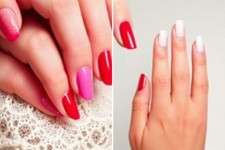
- French tip: Use a slightly off-white or pale pink for a classic look; use sticker guides for even curves.
- Accent nail: Paint one nail a coordinating or contrasting color to add interest.
- Dots and stripes: Use the tip of a bobby pin or toothpick for dots; tape for clean stripes.
- Glitter gradient: Dab polish with a sponge at the tips for a soft glitter fade.
If you want to experiment, invest in cheap nail art brushes and dotting tools. Practice on a plastic surface or paper first — small mistakes are part of the learning curve and often look charming in real life.
Hand Care Beyond the Nail Plate
A true manicured look extends to well-cared-for hands. Soft, smooth hands make nails pop.
Hand Care Routine
- Exfoliate once a week with a gentle sugar scrub to remove dead skin and boost circulation.
- Use a rich hand cream after washing hands and before bed — choose one with shea butter or glycerin for lasting moisture.
- Massage cuticle oil into the base of the nails nightly to support healthy growth.
- Wear SPF on the hands — sun spots are often more visible on the dorsal hand surface than the face.
Home Spa Night
Once a week, treat yourself to a 20–30 minute hand soak with warm water, a drop of essential oil, and a gentle scrub. Finish with a hydrating mask (thick cream wrapped with plastic wrap for 10 minutes) and a deep massage. This elevates self-care and keeps hands camera-ready.
Nutrition and Lifestyle for Stronger Nails
What you eat and how you treat your body affect nail health. A balanced diet that includes protein, healthy fats, vitamins, and minerals supports stronger nail growth.
| Nutrient | Why It Helps | Food Sources |
|---|---|---|
| Protein | Keratin precursor | Eggs, lean meat, legumes |
| Biotin | May support nail strength | Nuts, eggs, whole grains |
| Iron | Prevents brittle nails in deficiency | Red meat, spinach, lentils |
| Omega-3 fats | Supports nail moisture | Fatty fish, chia seeds, flax |
| Vitamin C | Supports collagen | Citrus, bell peppers |
Hydration matters too. Drink enough water, and if your nails are chronically brittle, consider checking with a healthcare provider for possible nutrient deficiencies.
Troubleshooting Common Problems
Here are common issues and practical fixes.
Polish Chips Quickly
– Ensure nails are clean and oil-free before polishing.
– Use a good base and top coat and cap the edges.
– Avoid activities that expose nails to water and chemicals right after application.
Nails Peeling or Splitting
– Reduce use of acetone and aggressive buffing.
– Add a nail strengthener or protein-rich base coat, and increase hydration with oils.
– Wear gloves for wet work.
Polish Lifts (Especially with Gel)
– Proper curing is essential for gels; follow lamp times strictly.
– Don’t apply thick layers or thin the product too much.
– Proper, complete removal using acetone soaks prevents forced peeling and damage.
Yellowing of Nail Plate
– Avoid dark polishes without a base coat, and use whitening polishing products occasionally.
– If persistent, rule out fungal infection with a professional.
Budget-Friendly and Eco-Friendly Options
A neat manicure doesn’t require premium-priced products. Drugstore base/top coats, polishes, and a basic tool set can produce excellent results. For eco-conscious choices, look for polishes labeled “5-free” or “10-free” (fewer potentially harmful solvents and additives), acetone-free removers, and biodegradable wipes.
If minimizing waste appeals to you, invest in durable tools (glass files, metal clippers) and replace consumables like emery boards and cotton pads with reusable alternatives where feasible.
Maintenance Schedule
– Weekly: Quick tidy, push cuticles, oil, and moisturize.
– Every 2–3 weeks: Full manicure if you maintain color.
– Monthly: Deep care night with exfoliation and thicker treatments.
Professional vs. At-Home Manicure — When to See a Pro
Some occasions justify a salon visit: complex nail art, restorative treatments for damaged nails, or if you prefer certain professional systems like long-lasting dip/powder or acrylics. If you encounter persistent nail health issues (severe splitting, discoloration, pain), consult a dermatologist or licensed nail technician.
That said, an at-home manicure can rival many salon good outcomes if you follow proper steps and use decent tools. The main differences are speed, specialized equipment, and creative options. For many people, a few salon visits per year combined with consistent at-home care is the perfect balance.
Quick Reference Checklist for Your First Few At-Home Manicures
- Remove old polish and clean nails thoroughly.
- Soak and gently push back cuticles; remove hangnails only.
- File to desired shape, buff light; wipe with remover.
- Apply base coat, two thin coats of color, then top coat—cap edges.
- Allow adequate drying; finish with cuticle oil and hand cream.
- Protect with gloves when doing chores; refresh top coat midweek.
Final Tips for a Polished, Professional Result Every Time
– Patience matters: thin coats dry faster and look better.
– Practice the steady stroke technique: center, left, right.
– Work in a calm, well-lit space and keep tools clean and sanitized.
– Consistence in small habits — moisturizing, cuticle oil, and edge-capping — equals long-term salon-quality results.
– Don’t be afraid to experiment with colors and simple art — mistakes are fixable and part of developing your style.
Conclusion
Achieving a perfect “manicured” look at home is a blend of patience, the right basics, gentle care, and consistent maintenance. With a compact, quality tool kit, a reliable routine, and a few protective habits—like capping edges and moisturizing regularly—you can create a neat, long-lasting manicure without a salon visit. Start simple, practice steady polish application, care for your cuticles, and treat your hands with nourishing creams and oils; over time these small rituals will add up to nails that look polished, healthy, and confidently you.

 Loading...